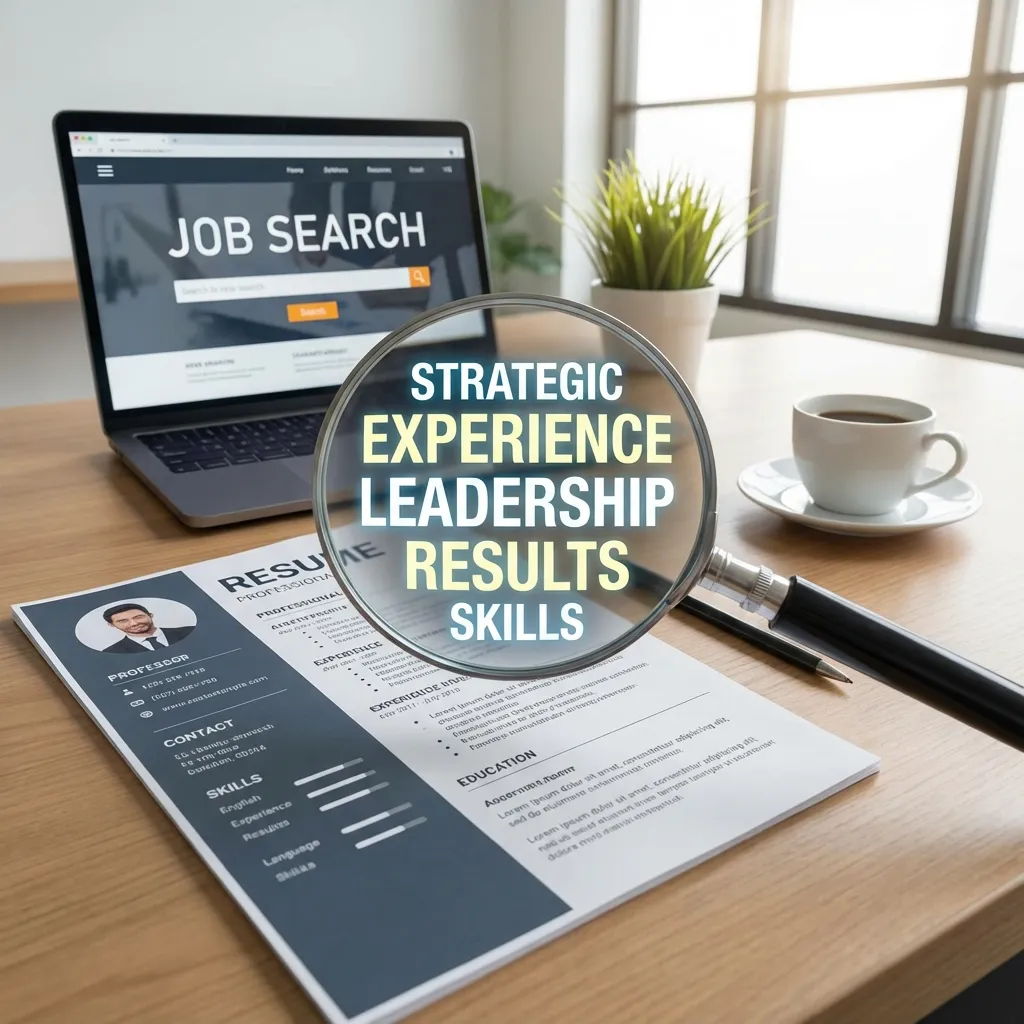
Resume Keywords Strategy: Get Noticed by Recruiters in 2026
Keywords are the bridge between your qualifications and recruiter searches. Strategic keyword placement dramatically improves your visibility.
Why Keywords Matter in 2026
- 75% of resumes are screened by ATS before reaching recruiters
- Keywords determine if your resume ranks in search results
- Specific keywords increase match percentage with job descriptions
- Industry-standard keywords signal expertise
Finding the Right Keywords
Analyze Job Descriptions
- Read the job posting thoroughly
- Note repeated keywords and phrases
- Identify must-have vs. nice-to-have skills
- Extract both specific and general terms
Research Industry Terms
- Visit major job boards and career sites
- Search for similar positions
- Note common requirements across postings
- Identify emerging technologies
Strategic Keyword Placement
Professional Summary (10-15% of keywords)
Incorporate 2-3 main keywords naturally.
Experience Section (40-50% of keywords)
Weave keywords into job descriptions and achievements.
Skills Section (30-40% of keywords)
List relevant skills and competencies.
Education Section (5-10% of keywords)
Include relevant certifications and coursework.
Examples by Role
Software Engineer
Python, Java, React, REST APIs, Agile, Git, Linux, Database Design, Microservices, CI/CD
Marketing Manager
Campaign Management, Social Media, Analytics, Content Strategy, SEO, Google Ads, Brand Marketing
Healthcare Administrator
Healthcare Management, HIPAA, Electronic Health Records, Patient Care, Medical Terminology
Keyword Best Practices
Do:
- Use industry-standard terminology
- Include both acronyms and full terms
- Match keywords from the job posting
- Keep language natural and readable
Don't:
- Overuse keywords (keyword stuffing)
- Use keywords unrelated to your background
- Sacrifice readability for keyword density
- Include outdated or irrelevant terms